
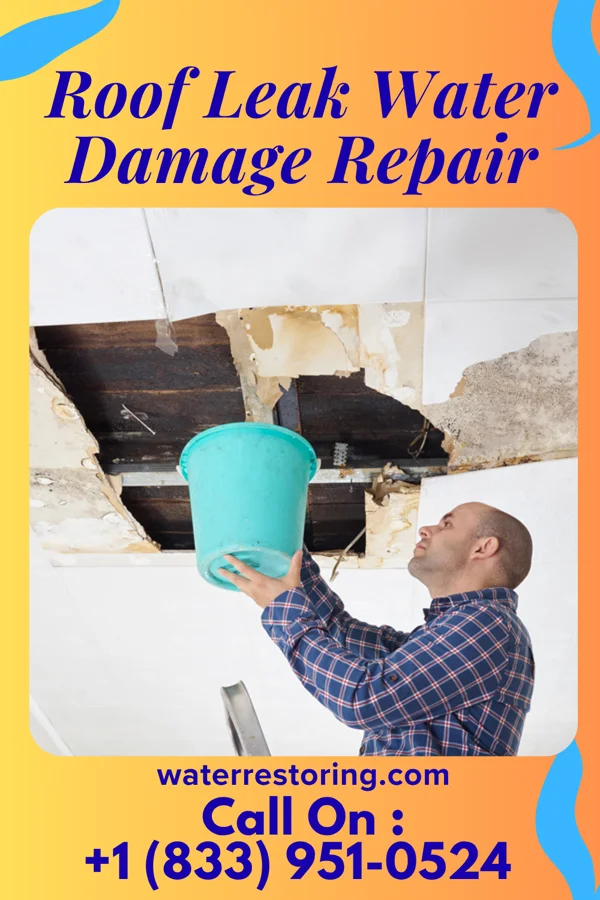
Active Roof Leak Containment in Smithfield
Most water damage emergencies in Smithfield start with Smithfield, North Carolina experiences frequent thunderstorms and heavy rainfall, particularly during the spring and summer months. The region's humid climate can lead to prolonged moisture exposure, increasing the risk of roof leaks and water damage. These weather patterns are common due to the area's proximity to the Atlantic coast and its location in Johnston County.. A close second is In addition to thunderstorms, Smithfield is occasionally affected by tropical storms and hurricanes, especially during the late summer and early fall. These events can cause sudden and severe water intrusion, leading to immediate roof damage and water damage restoration needs.. From the second water touches the property, every minute changes what gets saved and what gets ripped out.
Smithfield's humid subtropical climate contributes to persistent moisture issues, which can lead to mold growth, wood rot, and structural damage. The area's frequent rain and high humidity create an environment where water damage can quickly escalate if not addressed promptly.
Smithfield's humid subtropical climate contributes to persistent moisture issues, which can lead to mold growth, wood rot, and structural damage. The area's frequent rain and high humidity create an environment where water damage can quickly escalate if not addressed promptly. The dominant local driver is Smithfield, North Carolina experiences frequent thunderstorms and heavy rainfall, particularly during the spring and summer months. The region's humid climate can lead to prolonged moisture exposure, increasing the risk of roof leaks and water damage. These weather patterns are common due to the area's proximity to the Atlantic coast and its location in Johnston County., with In addition to thunderstorms, Smithfield is occasionally affected by tropical storms and hurricanes, especially during the late summer and early fall. These events can cause sudden and severe water intrusion, leading to immediate roof damage and water damage restoration needs. showing up as the next most common cause. Damage builds in stages. Spread. Absorption. Microbial growth. Structural compromise. Every stage you pass through adds to the final bill.